
Climate change is no longer a distant concern—it is a daily reality affecting communities, infrastructure, and long-term sustainability strategies across the globe. From rising temperatures to increasingly frequent storms, extreme weather events are forcing homeowners, businesses, and policymakers to rethink how buildings are designed, maintained, and protected.
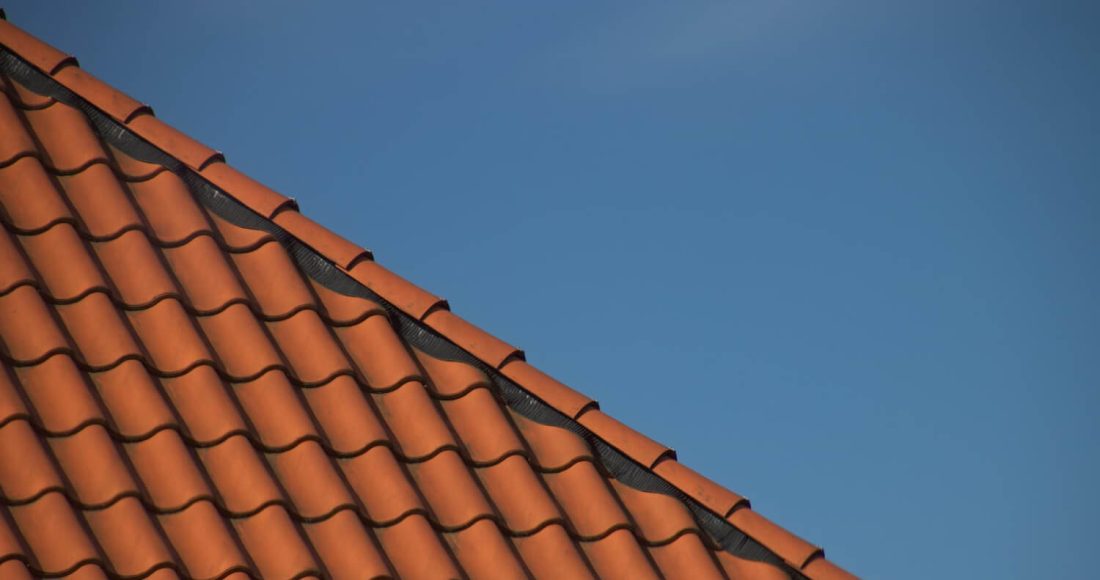
In regions where storms are becoming stronger and more unpredictable, the condition of a building’s roof plays a critical role in overall resilience. After severe weather events, access to a reliable storm damage roof repair service often determines how quickly a household or business can return to normal operations. Roofing is no longer just a construction issue; it has become a matter of environmental responsibility, safety, and social stability.
Storm Damage as an Environmental and Social Challenge
Storm damage affects more than individual properties—it impacts entire communities. When roofs fail, energy efficiency drops, indoor environments become unsafe, and the demand for emergency resources increases. Prolonged damage can lead to higher energy consumption due to compromised insulation, moisture infiltration, and temporary repairs that are less efficient.
From a green energy perspective, damaged roofing systems undermine sustainability efforts. Buildings that were once energy-efficient suddenly lose their ability to regulate temperature effectively, increasing reliance on heating and cooling systems. This surge in energy use not only raises costs but also increases carbon emissions at a time when reducing environmental impact is more important than ever.
Addressing storm damage quickly and responsibly is therefore both an environmental and social priority.
Why Roof Integrity Matters for Energy Efficiency
A roof acts as the first line of defense against the elements. When it is compromised, the entire building envelope suffers. Even minor damage—such as loosened shingles or weakened flashing—can allow heat, humidity, and water to penetrate the structure.
This is why regular roof inspection practices are essential, particularly in storm-prone areas. Inspections help identify vulnerabilities before storms strike and ensure that repairs are made proactively rather than reactively. From a sustainability standpoint, prevention is always more efficient than reconstruction.
Maintaining roof integrity helps preserve insulation performance, supports consistent indoor temperatures, and reduces unnecessary energy loss. These benefits are central to long-term green living strategies.
The Hidden Cost of Delayed Repairs
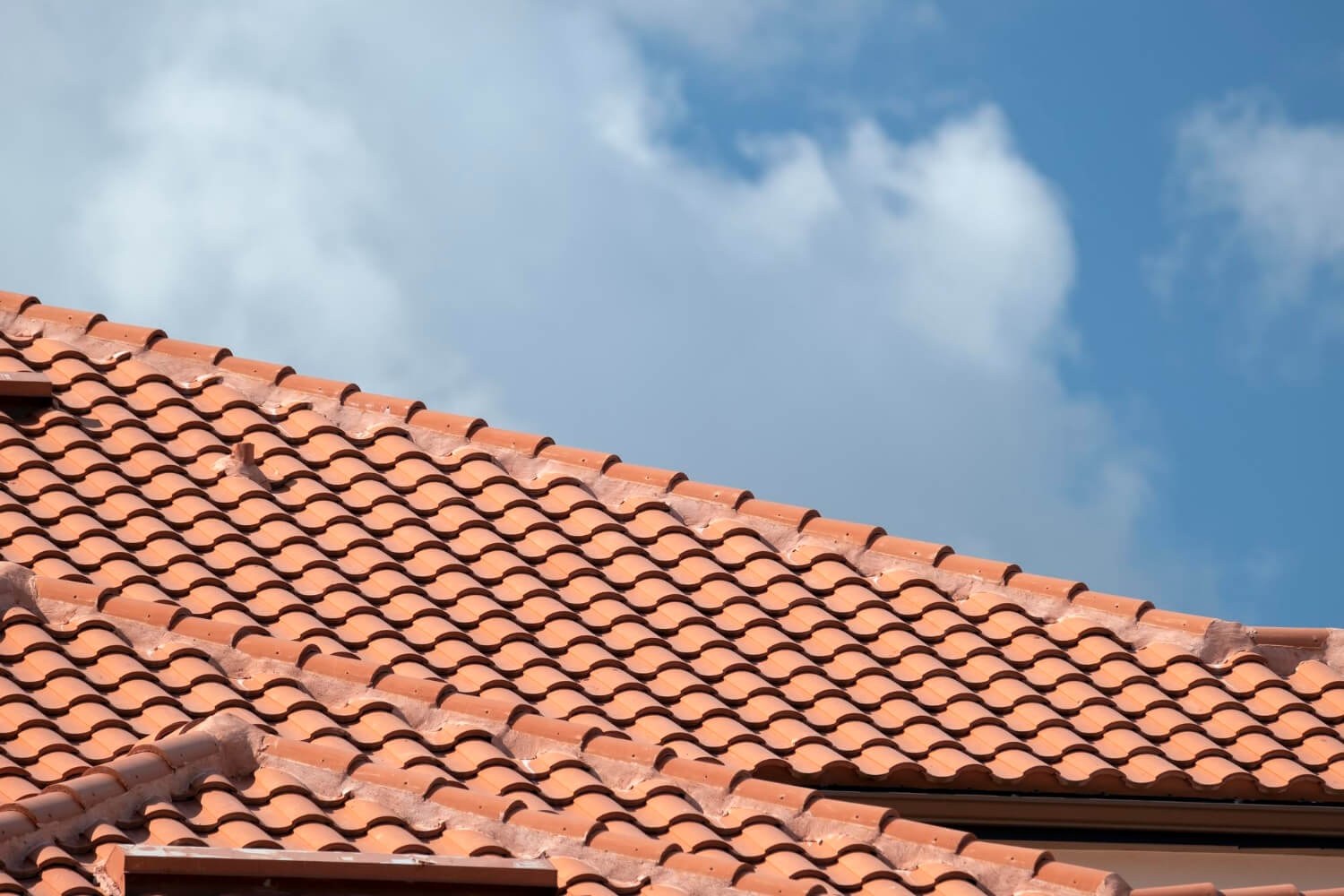
One of the most overlooked aspects of storm damage is the cumulative effect of delayed action. Property owners may postpone repairs due to cost concerns or underestimating the extent of damage. However, small issues can escalate rapidly when exposed to ongoing weather stress.
Moisture intrusion can lead to mold growth, structural weakening, and reduced air quality—issues that have serious health and social implications. Additionally, energy inefficiencies caused by roof damage place added strain on electrical systems, increasing demand during peak usage periods.
In the broader context of social impact, delayed repairs can displace families, disrupt businesses, and place pressure on local infrastructure and emergency services.
Roofing Resilience and Green Energy Goals
Green energy initiatives often focus on renewable technologies such as solar panels, energy-efficient lighting, and smart grids. However, these systems depend heavily on the physical condition of buildings. A damaged or poorly maintained roof can compromise solar installations, limit energy savings, and shorten the lifespan of sustainable technologies.
Before investing in renewable upgrades, ensuring that the roof is structurally sound and weather-resistant is a foundational step. This approach aligns with sustainable development principles that prioritize durability, efficiency, and responsible resource use.
In this way, roofing resilience supports—not competes with—green energy innovation.
Climate Adaptation Starts with Preventative Maintenance
As storms become more frequent, adaptation strategies are shifting toward prevention and preparedness. Regular inspections and maintenance reduce the likelihood of catastrophic failure during extreme weather events.
Preventative maintenance:
-
Extends roof lifespan
-
Reduces material waste
-
Minimizes emergency repairs
-
Lowers long-term energy consumption
From an environmental standpoint, extending the life of existing materials is one of the most effective ways to reduce construction-related emissions. Replacing an entire roof prematurely generates significant waste and resource consumption, whereas targeted repairs preserve both materials and energy.
Social Stability and Housing Security
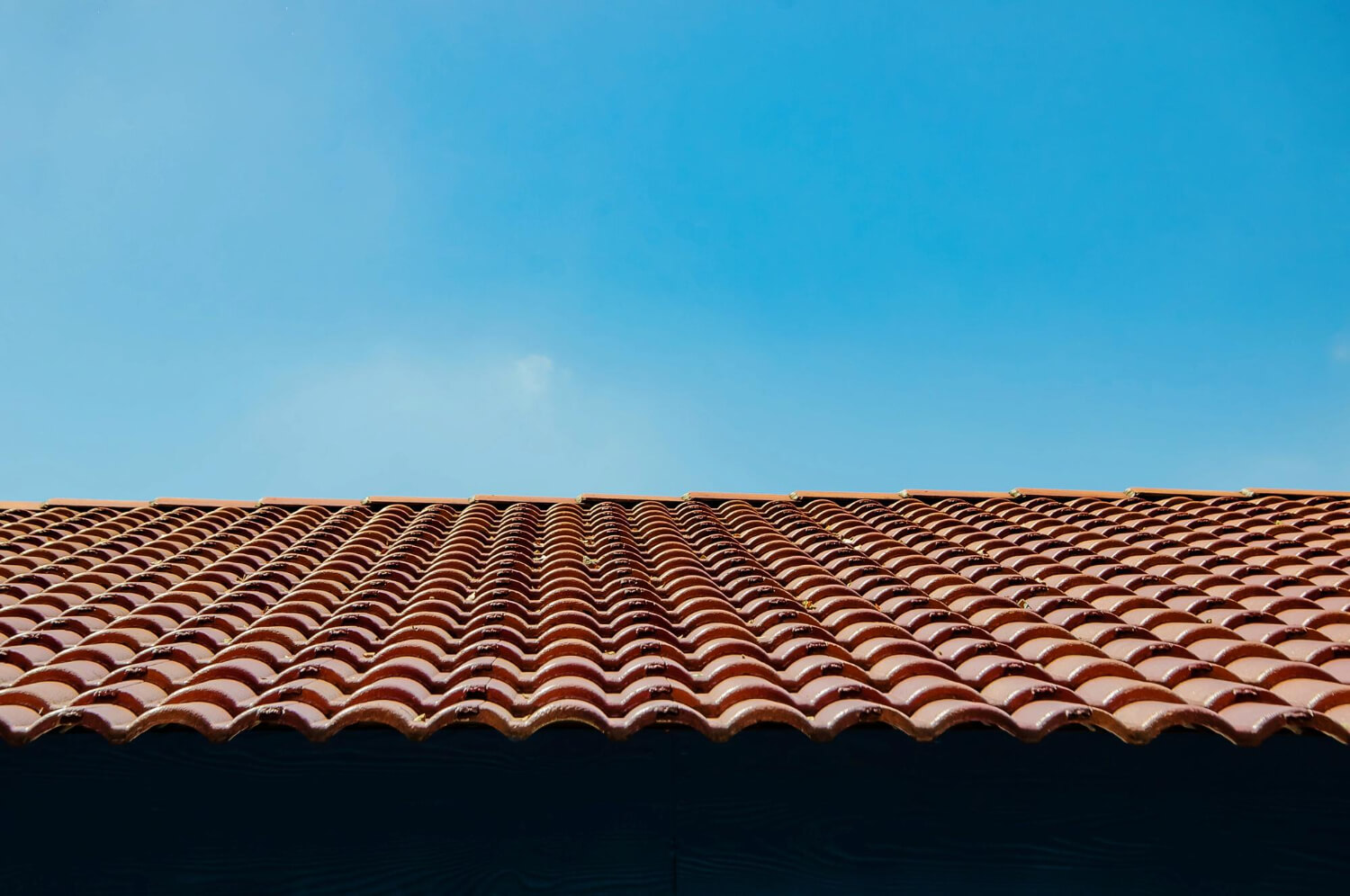
Housing stability is a key component of social well-being. When roofs fail after storms, families may be forced to relocate temporarily or permanently. This displacement disrupts education, employment, and community ties.
Ensuring that roofs are inspected and repaired promptly contributes to housing security, particularly for vulnerable populations. In regions affected by repeated storms, proactive roof management can reduce the long-term social costs associated with disaster recovery.
From this perspective, roofing maintenance becomes part of a broader social impact strategy—one that supports resilience, equity, and community continuity.
The Economic Ripple Effect of Storm Damage
Storm-related roof damage also has economic implications. Businesses affected by leaks or structural issues may face operational downtime, inventory losses, or safety concerns. These disruptions can ripple through local economies, affecting employment and supply chains.
Investing in inspections and timely repairs helps mitigate these risks. For commercial properties, maintaining roof integrity supports business continuity and protects investments. For residential owners, it preserves property value and reduces the financial burden of emergency repairs.
In sustainable economic models, resilience and preparedness are increasingly recognized as cost-saving strategies rather than optional expenses.
Building Smarter for a Changing Climate
Modern sustainability is about more than reducing emissions—it’s about designing systems that can withstand environmental stress. Roofing systems must now meet higher standards for durability, water resistance, and energy performance.
Materials, ventilation strategies, and maintenance schedules all play a role in adapting buildings to changing climate conditions. By prioritizing roof health, property owners contribute to smarter, more resilient built environments.
This mindset reflects a shift from reactive responses to long-term planning—an essential evolution in the face of climate uncertainty.
Community Awareness and Education
Education is a powerful tool in improving storm resilience. Many property owners are unaware of how small roofing issues can impact energy efficiency, indoor health, and environmental performance.
Raising awareness about the importance of inspections and maintenance empowers individuals to make informed decisions. It also encourages collective responsibility, as well-maintained properties contribute to safer and more resilient neighborhoods.
In this way, roofing awareness supports both environmental education and social cohesion.
Conclusion: Small Actions, Lasting Impact
Storm damage may be unavoidable, but its consequences can be managed. By prioritizing inspections, timely repairs, and preventative maintenance, property owners protect not only their buildings but also their communities and the environment.
Roof integrity plays a quiet yet crucial role in energy efficiency, housing stability, and climate resilience. As extreme weather becomes more common, these considerations will only grow in importance.
Sustainable living is built on strong foundations—and sometimes, that foundation starts right above our heads.